
|
11/10/2022
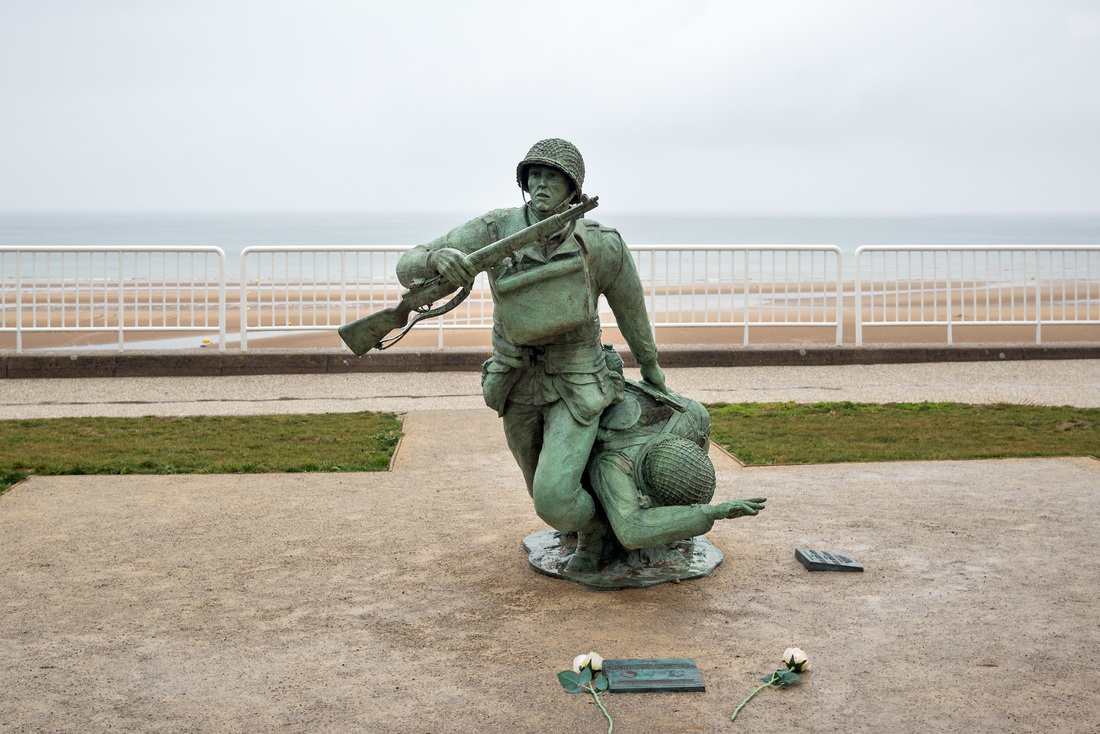
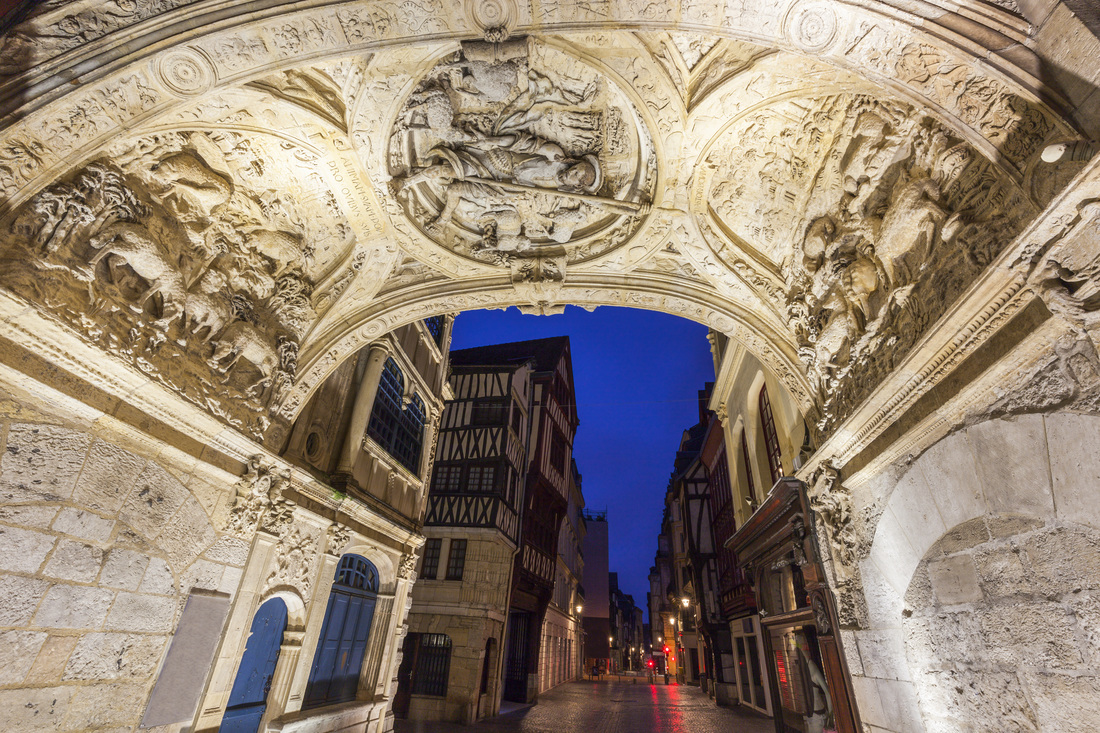
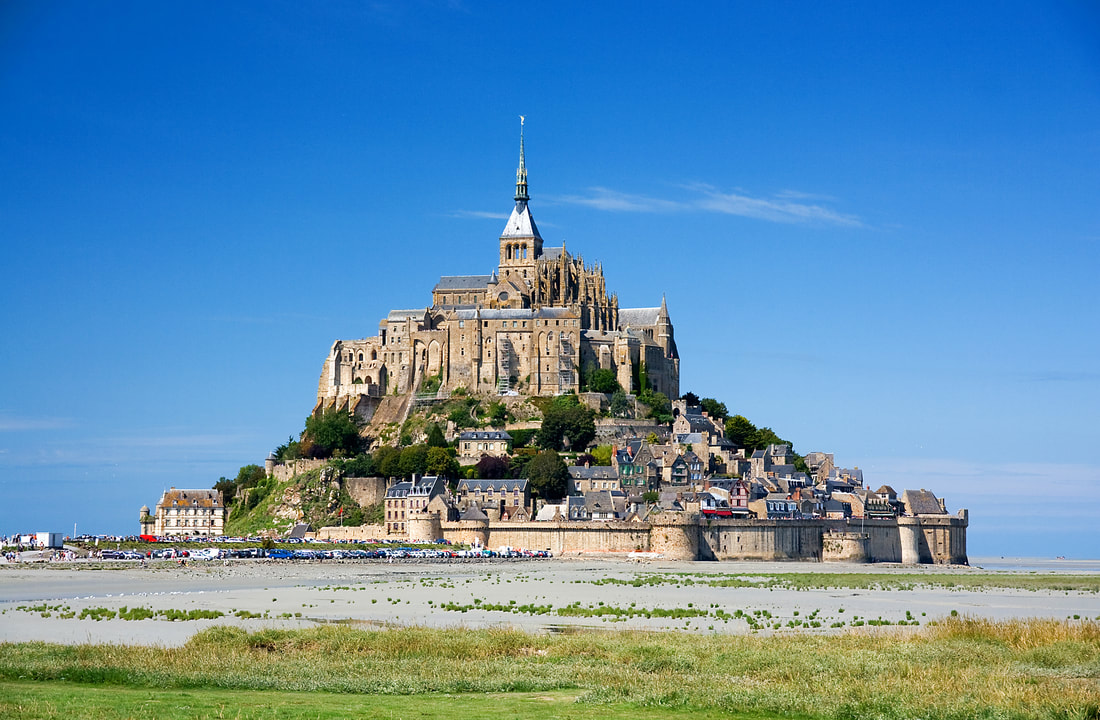
Take A Walk Along The Normandy Beaches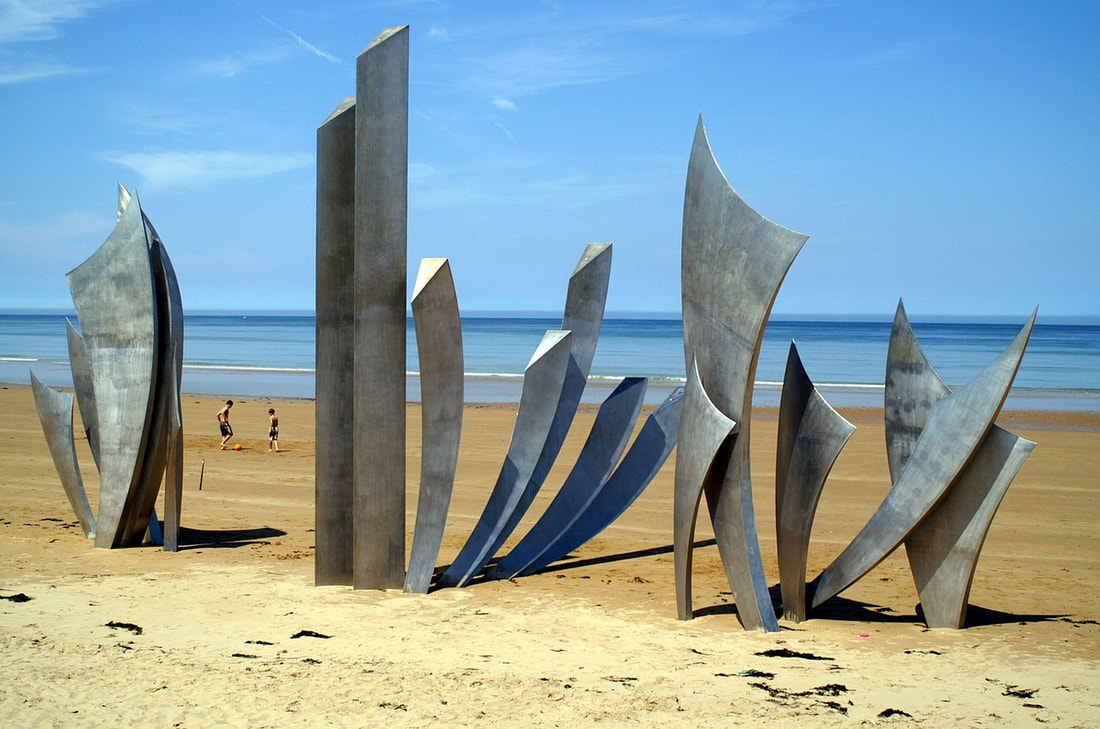 Veteran's Day is a day to honor all those who have served, and each year its a day that has me thinking about places in the US and around the world where our soldiers have won and lost. In the north of France, across the English Channel along a 54 mile stretch of coastline, sits a big piece of World War II history - the beaches of Normandy. This now peaceful part of the world is a perfect spot to take a trip through history and pay tribute to our soldiers lost. June 6, 1944 - D-Day - the largest invasion by sea in history. Over 156 thousand British, Canadian and American forces stormed the five beaches across this 54 mile stretch.Heavily fortified by the Germans, the Allied forces had significant losses, including 2400 American troops who lost their lives that day on Omaha Beach. Despite the losses, history shows that D-Day was the beginning of the end of the war in Europe. 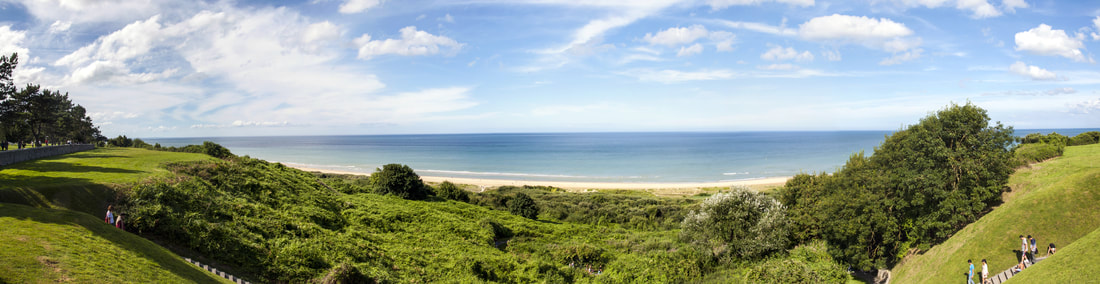 WWII museums, monuments, battlefields, battle remains and cemeteries provide visitors an insight and picture of this historic period in time. "Feel" the experience by walking along one of the five beaches: Omaha, Utah, Sword, Juno and Gold. Sword and Gold beaches are where the British troops landed, Juno the Canadians. Omaha and Utah are the two most well known to Americans. The Normandy American Cemetery, home to 9300 brave soldiers who lost their lives on D-Day or later missions, overlooks Omaha Beach. 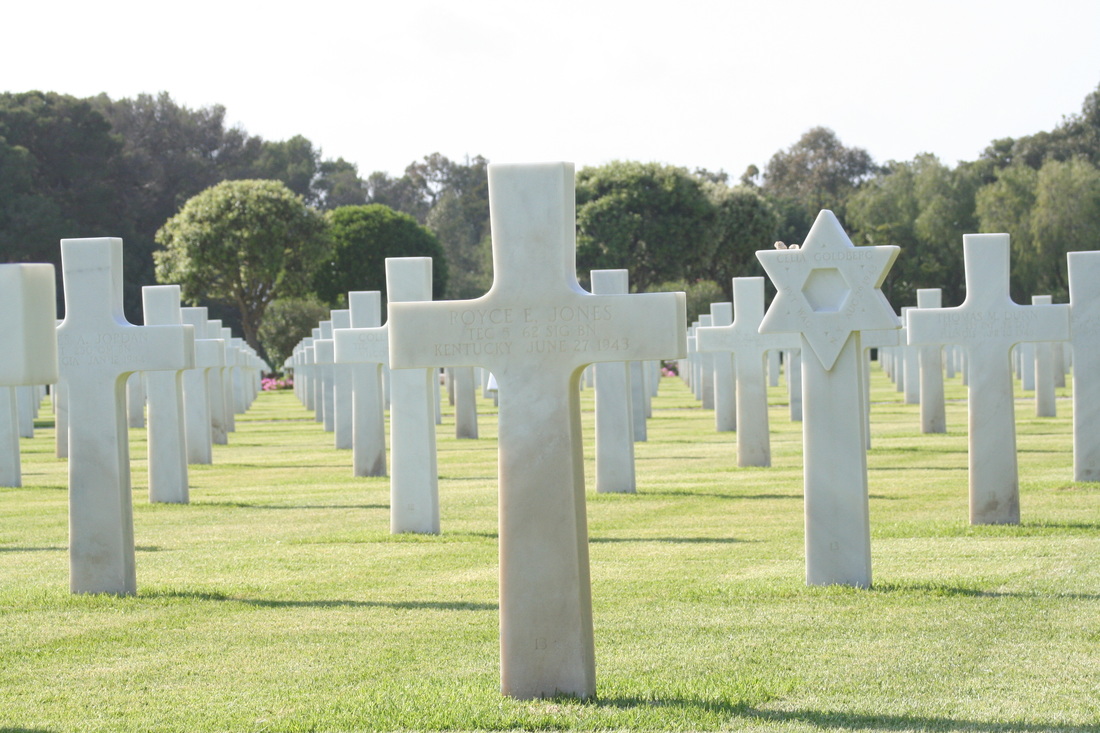 The beaches are, for obvious reasons, a major reason to visit the north of France, especially for those interested in World War II history. However Normandy is inviting in many more ways, from beautiful rolling countryside to cheese (think creamy Camembert and Brousin!) and apple brandy. Normandy is one of the few regions in France that does not produce much wine, but apple orchards are abundant as is hard apple cider and brandy. 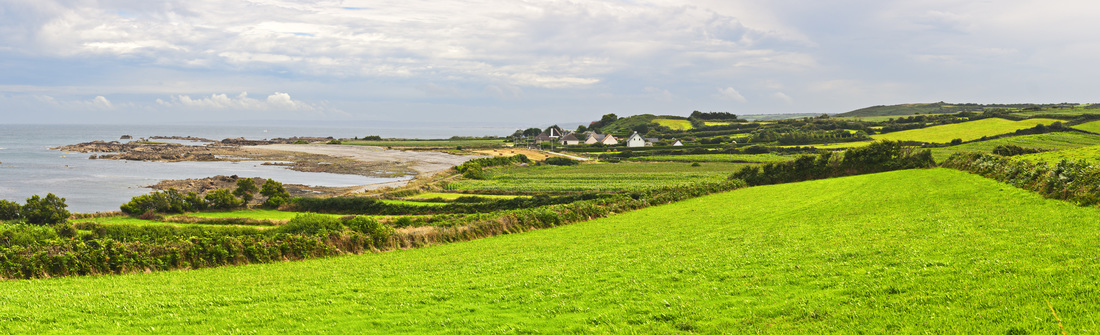 A fantastic way to experience this beautiful region is on a river cruise. Cruises stop in Rouen, the capital of Normandy and in Caudebec-en-caux, the starting point for day trips to the Normandy beaches and excursions to the Routes des Abbayes / Mont Saint Michel. With itineraries starting in Paris, one can explore Normandy plus the beautiful country along the Seine River, including Monet's Gardens at Giverny. 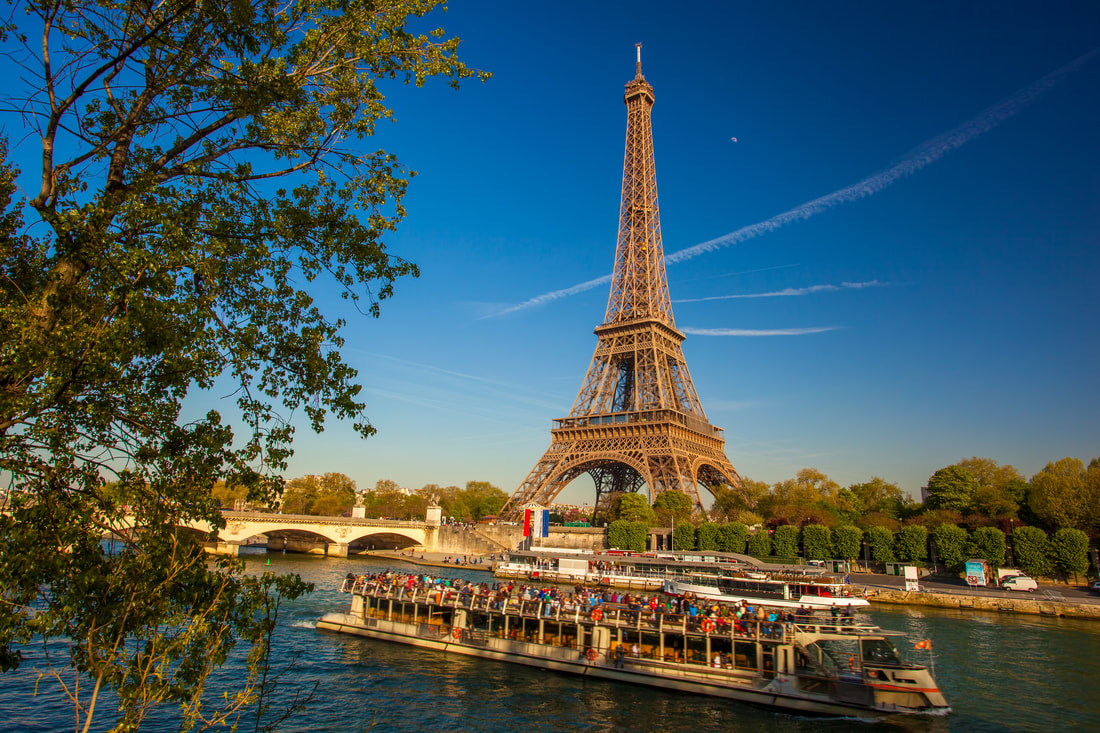 Normandy - a beautiful and historic spot in the world and well worth your visit. You won't be disappointed. And it is a wonderful way to pay tribute to our soldiers. For details on a Seine River cruise (or any other amazing river), I'm
here to help you. Let's chat to see what river cruise is best for you. GET STARTED HERE. Comments are closed.
|

Laurie Marschall - Owner and Founder
|

 RSS Feed